

Where Can You Camp in Croatia? Laws Explained
Croatia is an exceptionally charming country, full of natural beauty, and an absolute must-visit when it comes to campervan travel. Enjoying sunrises and sunsets along the coastline is an experience you should have at least once in your lifetime. However, when travelling to Croatia by campervan, you need to pay attention to several important factors. Camping in Croatia is completely legal, but it is also strictly regulated by law.
In fact, Croatia has some of the strictest camping regulations in Europe. But here’s the good news! Once you understand how things work, Croatia can deliver an unforgettable camping experience. You just have to play it smart.
Let’s dive into what’s allowed (and what isn’t) when it comes to camping in Croatia.
The Simple Rule Most People Miss
Here’s the headline most travelers miss: in Croatia, you can only camp in officially registered campsites or designated camping zones. No wild pitching your tent. No crashing on a secluded beach. No “just one night” in a quiet parking lot. And no bending the rules because you’re out of sight.
Croatian law is clear and consistent: Camping outside approved areas is illegal, full stop.
So… Is Wild Camping Legal in Croatia? Short answer: No.
Wild camping (also known as free camping) is strictly prohibited across the entire country.
This applies to everything: tents, campervans and motorhomes, sleeping bags under the stars, hammocks in forests and even sleeping in your car.
That last one surprises a lot of people. In many countries, sleeping in your vehicle is a gray area. In Croatia, it’s not. If you’re parked somewhere overnight and using your vehicle as accommodation, it’s treated as camping.
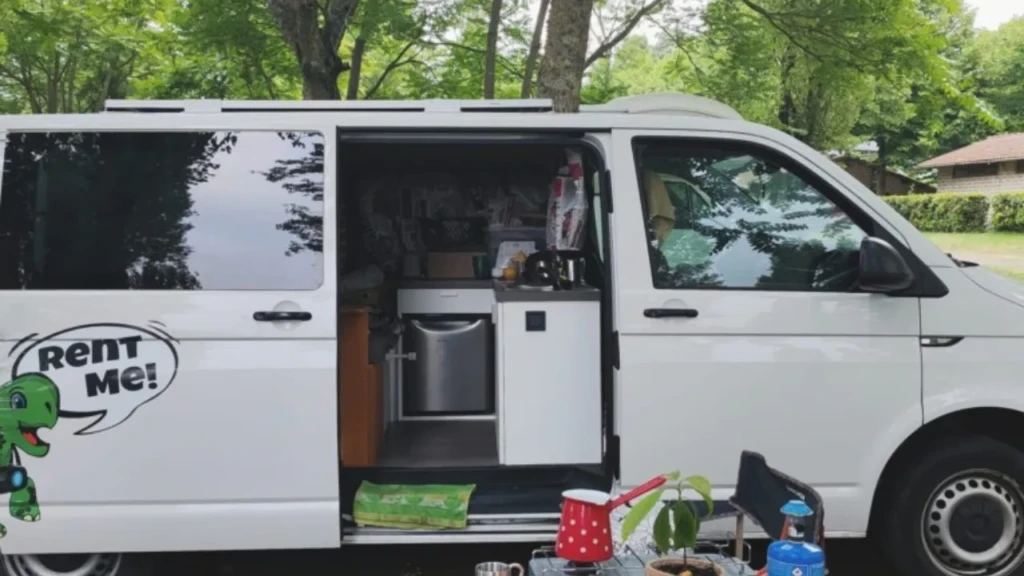
Why So Strict?
At first glance, it can feel a bit heavy-handed. Especially if you’ve traveled through places where wild camping is part of the culture. But Croatia’s approach isn’t arbitrary, it’s protective.
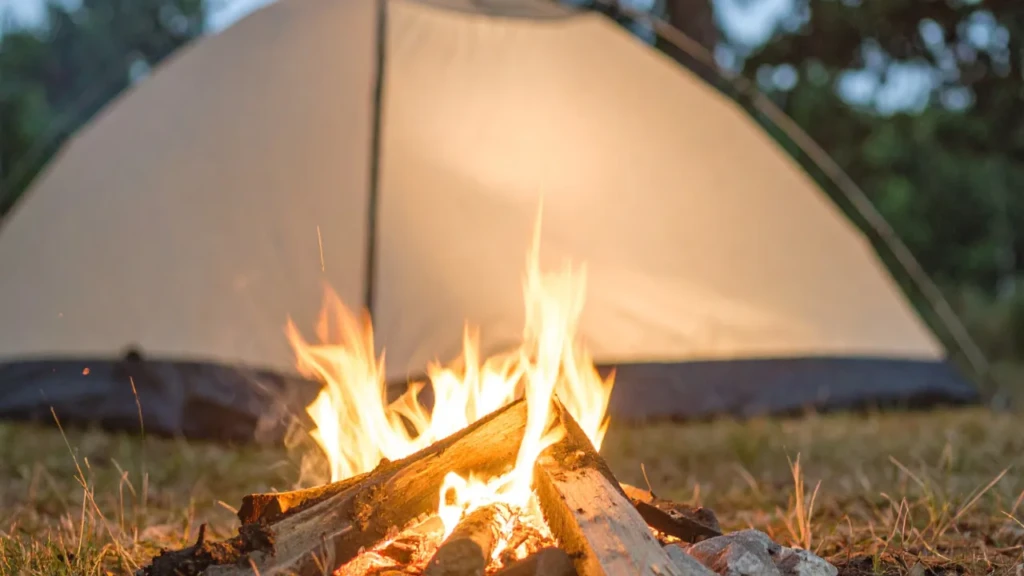
1. Environmental protection
Croatia’s coastline is one of the most pristine in Europe. Thousands of small coves, islands, and forests are vulnerable to damage from unregulated tourism. Wild camping often leads to litter and damage to vegetation.
By restricting camping to designated areas, Croatia protects these fragile ecosystems.
2. Fire risk
Summers in Croatia are hot and dry, and wildfires are a real threat. Even a small, careless fire can spread rapidly, especially along the coast where vegetation is dense and dry.
This is one of the biggest reasons why authorities don’t tolerate off-grid camping.
3. Tourism pressure
Croatia is hugely popular, especially in summer. Without strict rules, many of its most beautiful locations would quickly become overcrowded and degraded.
What Happens If You Ignore the Rules?
This isn’t one of those laws that quietly gathers dust. Croatia enforces its camping regulations, and especially during summer, they’re watching.
If you’re caught camping illegally, you could face:
- Fines ranging from about €60 to €600 per person
- Steeper penalties in more serious situations
- Immediate orders to pack up and leave
Authorities keep a close eye on coastal areas, islands, national parks, and popular tourist zones. Campervans are easy to spot, and locals aren’t shy about reporting overnight stays that don’t look right.
Can You “Get Away With It”?
If you spend any time reading travel forums, you’ll see people saying things like “just hide your tent”. There is a grain of truth here but it’s misleading.
Yes, in very remote inland areas, you might get away with it. Sometimes authorities will just ask you to move instead of issuing a fine. But this is unpredictable. So while it might work, it’s always a risk and not a small one.
What About Campervans and Van Life?
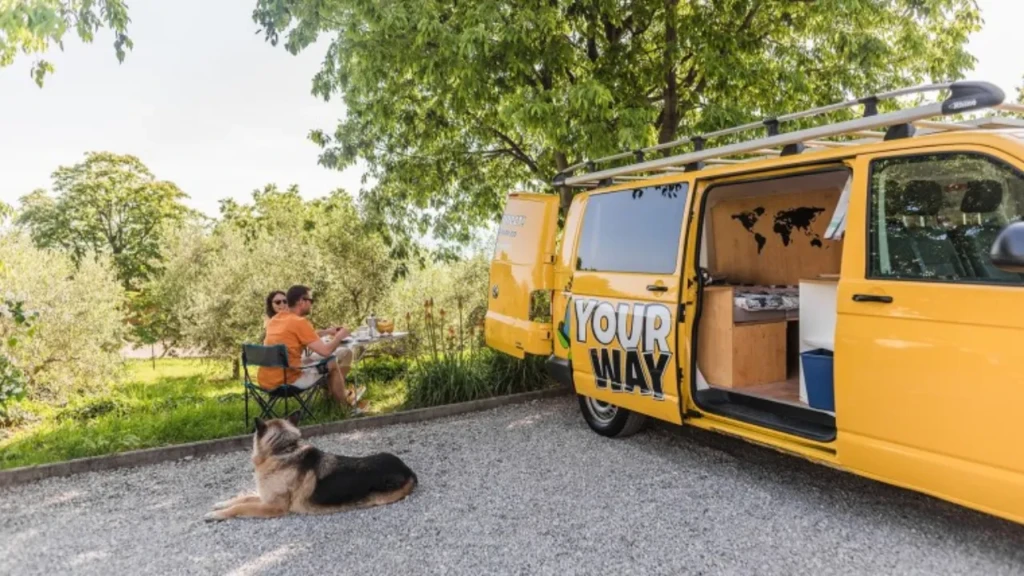
Croatia looks like a dream destination for van life but it comes with limitations.
You cannot park overnight by the beach, sleep in roadside pull-offs or stay in public parking areas. Even if you’re not setting up chairs, simply sleeping in your vehicle can be considered illegal camping.
The good news?
Croatia has adapted to camper travel by offering camper stop areas, RV-friendly campsites and designated overnight parking zones. These often include basic services like water, electricity, and waste disposal.
Camping in National Parks: Absolutely Not
Croatia’s national parks are some of its biggest attractions and also the most protected. Places like Plitvice Lakes have strict conservation rules.
Camping inside national parks is completely forbidden unless there’s a designated campsite nearby. And enforcement here is serious so this is definitely not the place to test your luck.
Where You Should Camp in Croatia Instead
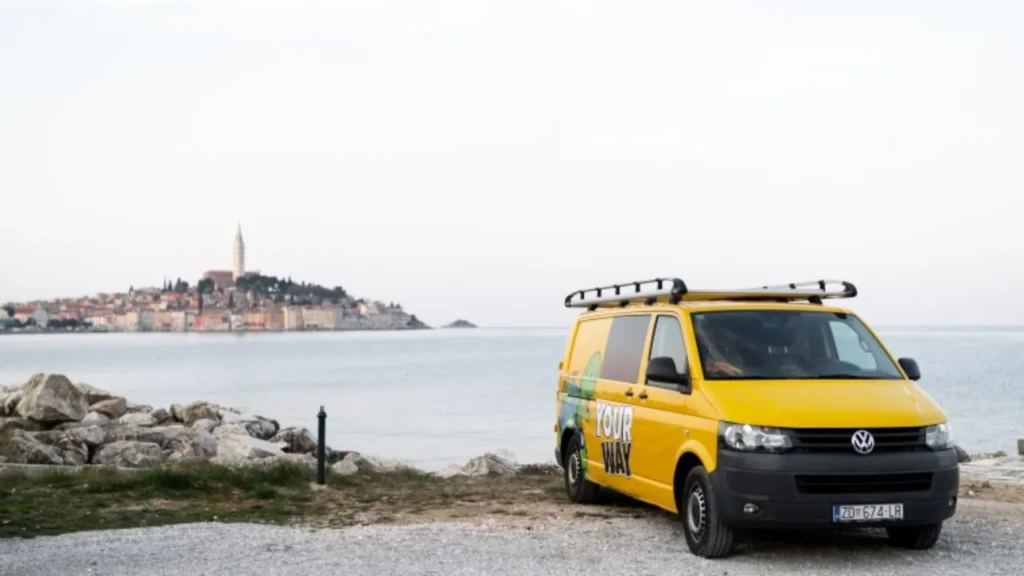
Here’s the upside: Croatia’s campsite network is excellent. In fact, it’s one of the best in Europe.
1. Large coastal campsites (these often feel like small resorts)
Croatia’s large coastal campsites are a category of their own. Set along the Adriatic, these places often blur the line between campsite and resort. They’re designed for comfort without losing that outdoor feeling.
Small family-run camps
Small family-run camps offer something more grounded and personal. These places are usually tucked away from the busiest tourist routes and feel far more intimate.
Camper stop areas (ideal for road trips and short stays)
If you’re traveling by campervan, camper stop areas are the most practical solution for short stays. They’re built with road trippers in mind, offering straightforward places to park overnight with essential services like water and electricity. When you just need a safe, legal place to rest before continuing your journey, these stops do exactly what you need.
How Much Does Camping Cost?
Prices vary a lot depending on location and season.
Roughly speaking:
- €15–€40 per night for basic campsites
- €40–€80+ in peak season along the coast
July and August are by far the most expensive months, especially in popular coastal areas.
Best Regions for Camping in Croatia
Croatia offers a wide variety of camping experiences, and the best region for you really depends on the kind of atmosphere you’re looking for.
ISTRIA
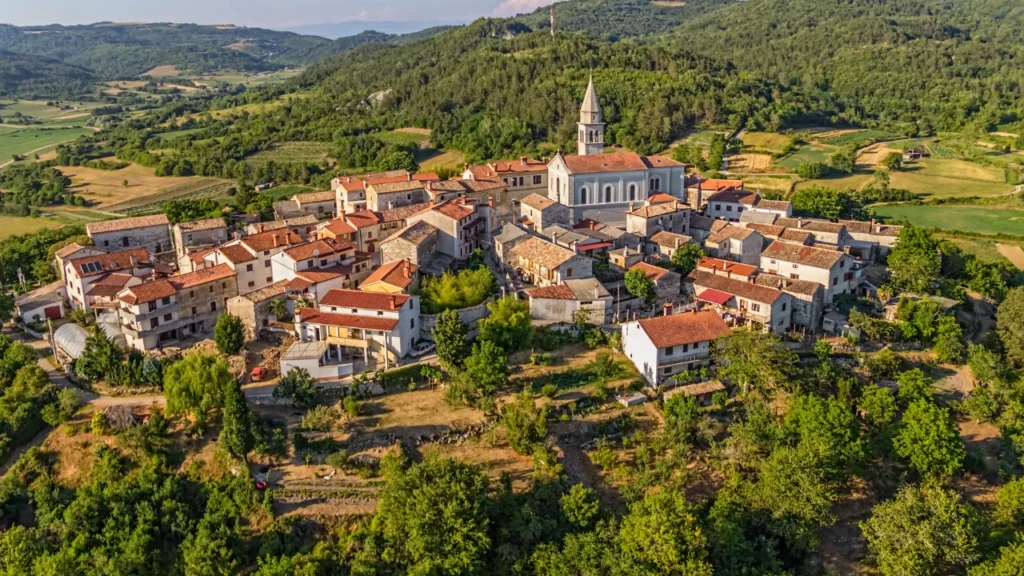
Along the Adriatic coast, Istria stands out as one of the most developed and camper-friendly areas in the country. It is known for its well-organized campsites, many of which sit right by the sea, as well as its charming coastal towns, rolling vineyards, and olive groves.
KVARNER
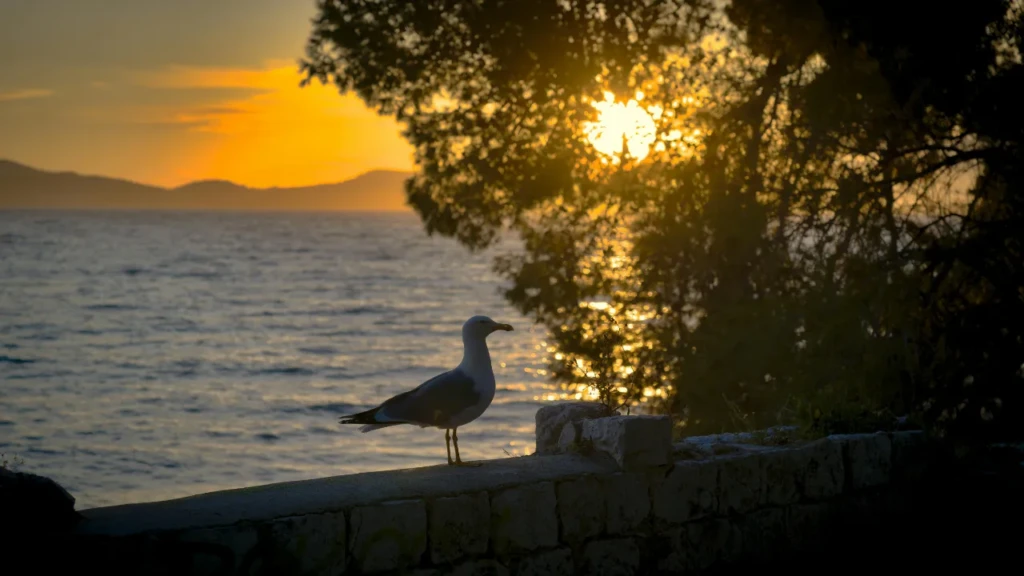
Further east, the Kvarner Gulf offers a beautiful mix of mainland coastline and islands such as Krk, Cres, and Lošinj. Krk is particularly convenient thanks to its bridge connection, while Lošinj feels more peaceful and green, with a slower pace and a strong sense of nature.
DALMATIA
Southern Croatia offers the quintessential Mediterranean atmosphere that many people picture when they think of camping in the country. Here you’ll find dramatic coastlines, crystal-clear water, and campsites near historic cities like Split and Zadar. The region also opens the door to famous islands such as Hvar, Brač, Pag, and Korčula.
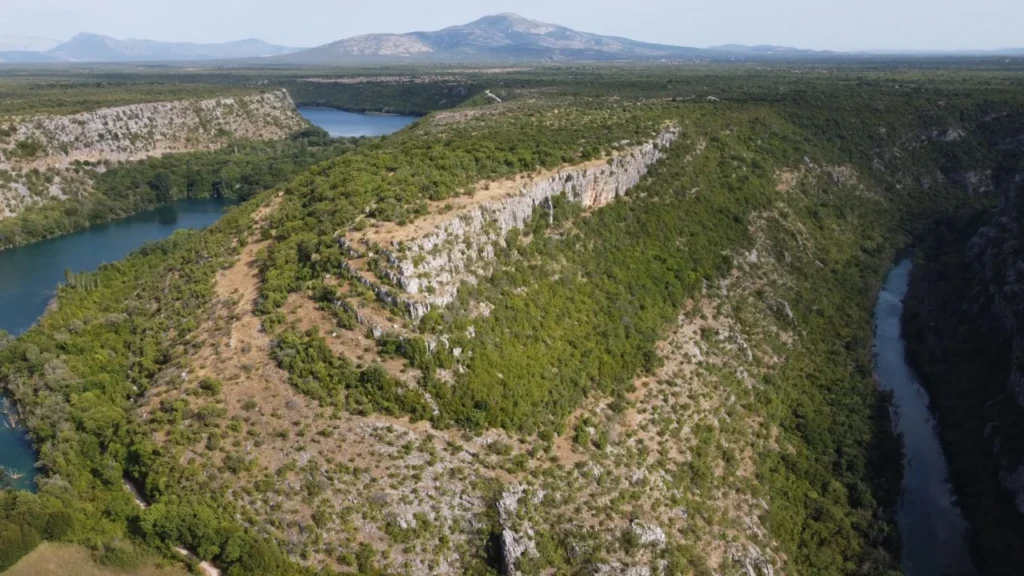
LIKA
If you move inland, the Plitvice and Lika region offers a completely different side of Croatia. This area is rich in forests, rivers, and waterfalls, and it sits close to Plitvice Lakes National Park, one of the country’s most famous natural landmarks. Camping here is more about nature, hiking, and tranquility than the sea, and the cooler temperatures in summer can be a welcome change from the coast.
Are you looking for inspiration for a campervan trip through Croatia? Check out our ideas!
Practical Tips
If you’re aiming for a relaxed, hassle-free campervan journey through Croatia, a little planning and respect for local rules go a long way. Things here run smoothly when you work with the system, not around it.
One of the biggest factors is timing. During peak season coastal campsites fill up fast, so booking ahead it’s often necessary. Staying within official campsites isn’t only about following the law; it also makes your trip far more comfortable, since these places are built specifically with campervan travelers in mind and offer all the essential facilities.
Another key point is environmental responsibility. Croatia takes this seriously, so proper waste disposal is a must.
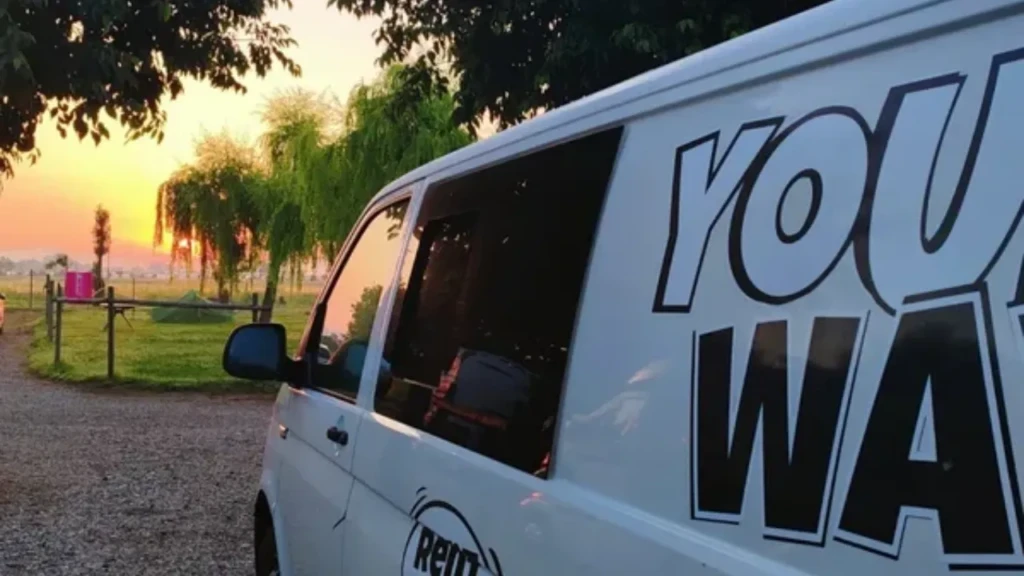
There are a few frequent mistakes it’s best to avoid. Although it may seem like spending just one night outside a campsite won’t cause any harm, Croatia is very strict about camping, especially during the peak tourist season. If you stay overnight outside designated areas, such as official campsites, you can expect a fine or an unpleasant wake-up call asking you to leave.
It’s also important to pay attention to private property and protected natural areas. Camping and staying overnight in places such as national parks is strictly prohibited.
Another key point is fire. Since the risk of wildfires is extremely high during the summer months, lighting fires outside designated and permitted areas is strictly forbidden and punishable by law.
While these rules may seem strict, they are in place to protect both nature and visitors, ensuring a safe and responsible camping experience.
Final Thoughts: Is Camping in Croatia Worth It?
Absolutely!
Croatia isn’t a wild camping destination. It’s a structured camping country that prioritizes preservation over freedom. And honestly, that’s part of its charm.
When you stay in the right places you get access to incredible locations and support sustainable tourism. So instead of trying to bend the rules, work with them.
You’ll still wake up by the sea.
You’ll still watch unforgettable sunsets.
You’ll just do it legally and with peace of mind.
Ready for your next adventure? Take a look at our vehicles!